Our trip to Ghana (part 2)
Keta
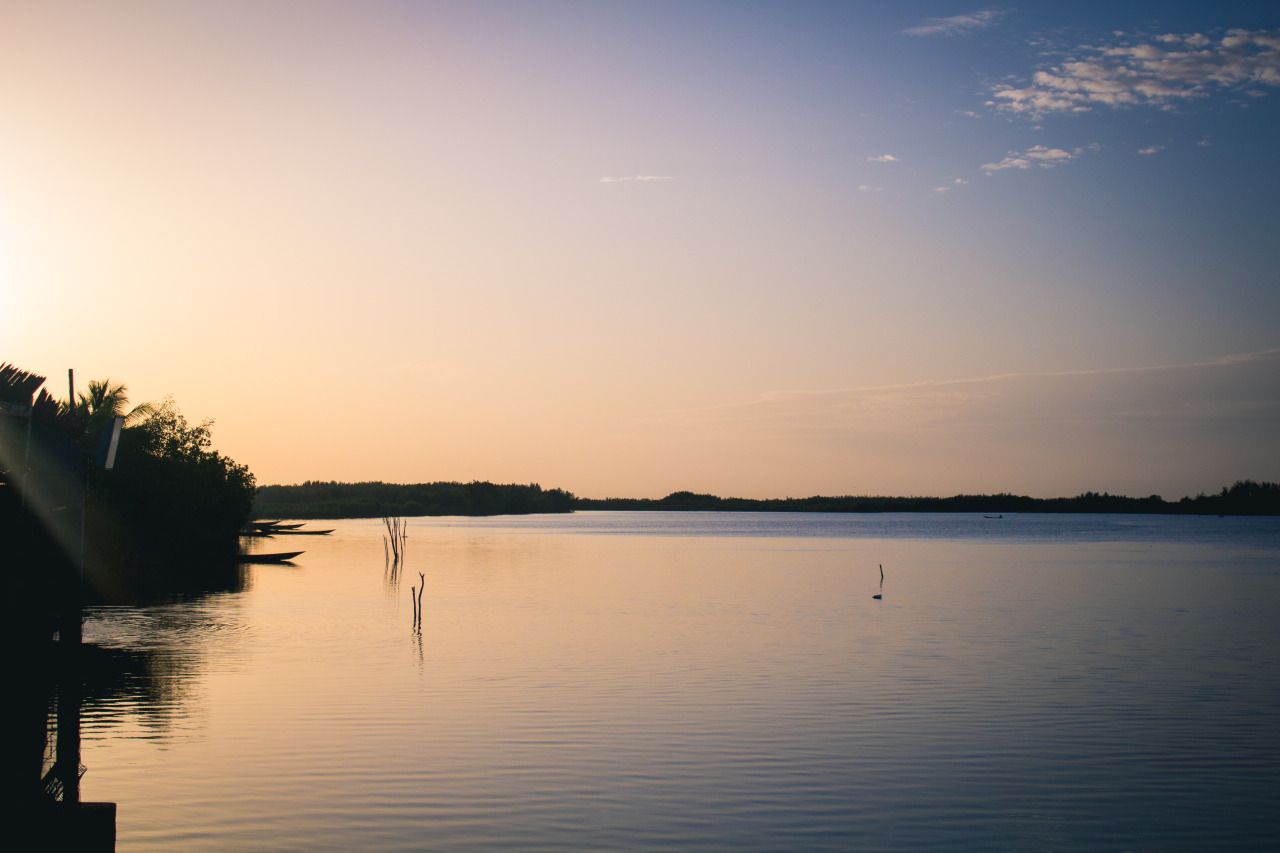
This village town is about two hours drive East of Accra. It’s got great views of the Volta River, it’s got its own lagoon and is close to the sea so a great place for water lovers. We came here to stay in the holiday home of my mum’s friend’s brother-in-law. His place was really nice, large rooms with en-suite, a swimming pool and plenty of things to do in the river like canoeing, paddle boarding, jet skiing. It was the first place that I have ever kayaked, and the place where Hannah got terrible sunburn in her legs but it was fun.
We drove far east of Ghana and were almost an hour away from the capital of the next country. During the journey back we stopped over at our first slave trade fort, Prinzenstein one owned by the Danes. It was in pretty bad condition considering more than half of it was washed away by the sea, but there was enough of it left for us to get an idea of what went on. Our tour guide told showed us where the women used to bathe, where they slept, and where they were sold. We saw a model of the full fort which looked large. Unfortunately, the upstairs was too dangerous for us to walk on but that’s where the generals quarters would have been.
Cape coast
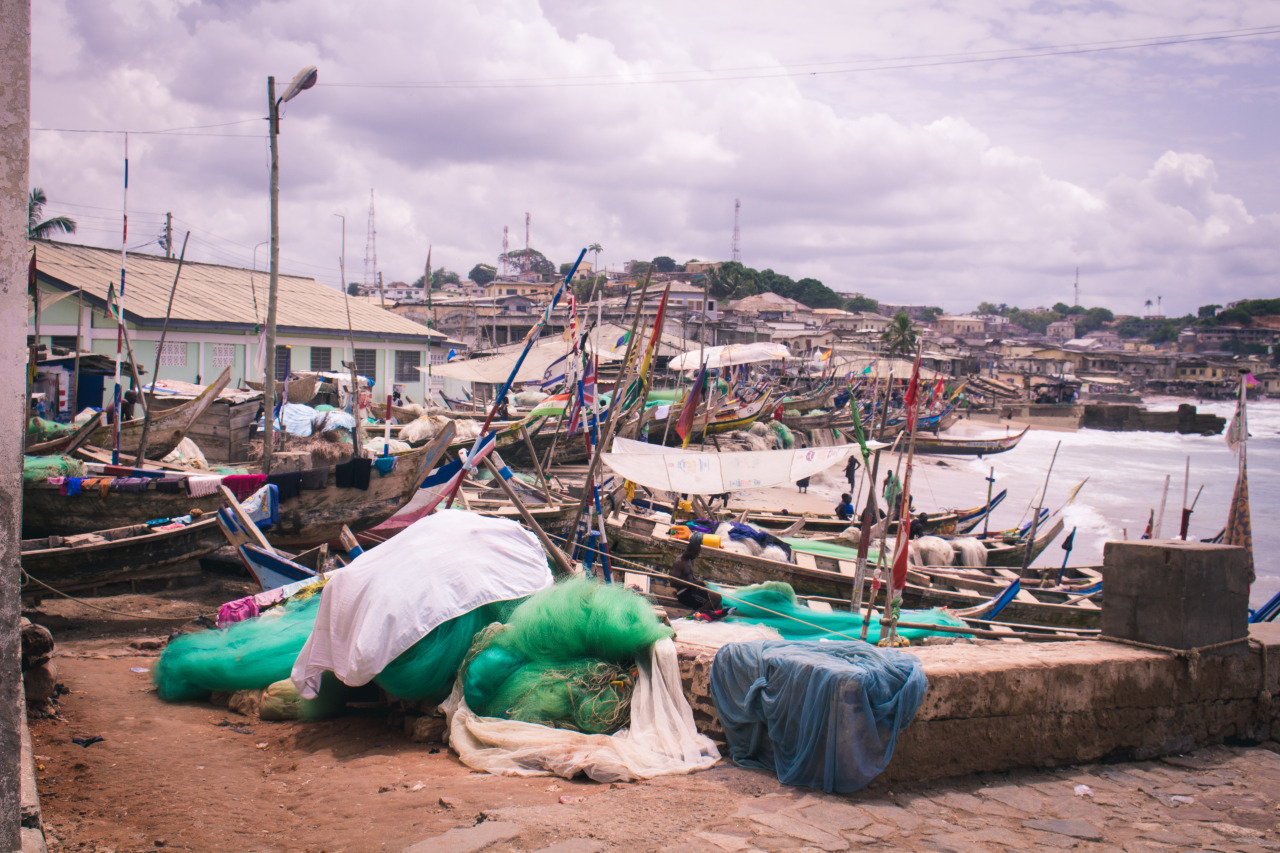
Our time in Accra and Keta was fun and although we enjoyed the tourist attractions we seemed to be the only ones around. That was all about to change when we entered the former capital of Ghana. Cape Coast is a place booming with tourists attractions as well as local and international tourists.
Cape Coast castle
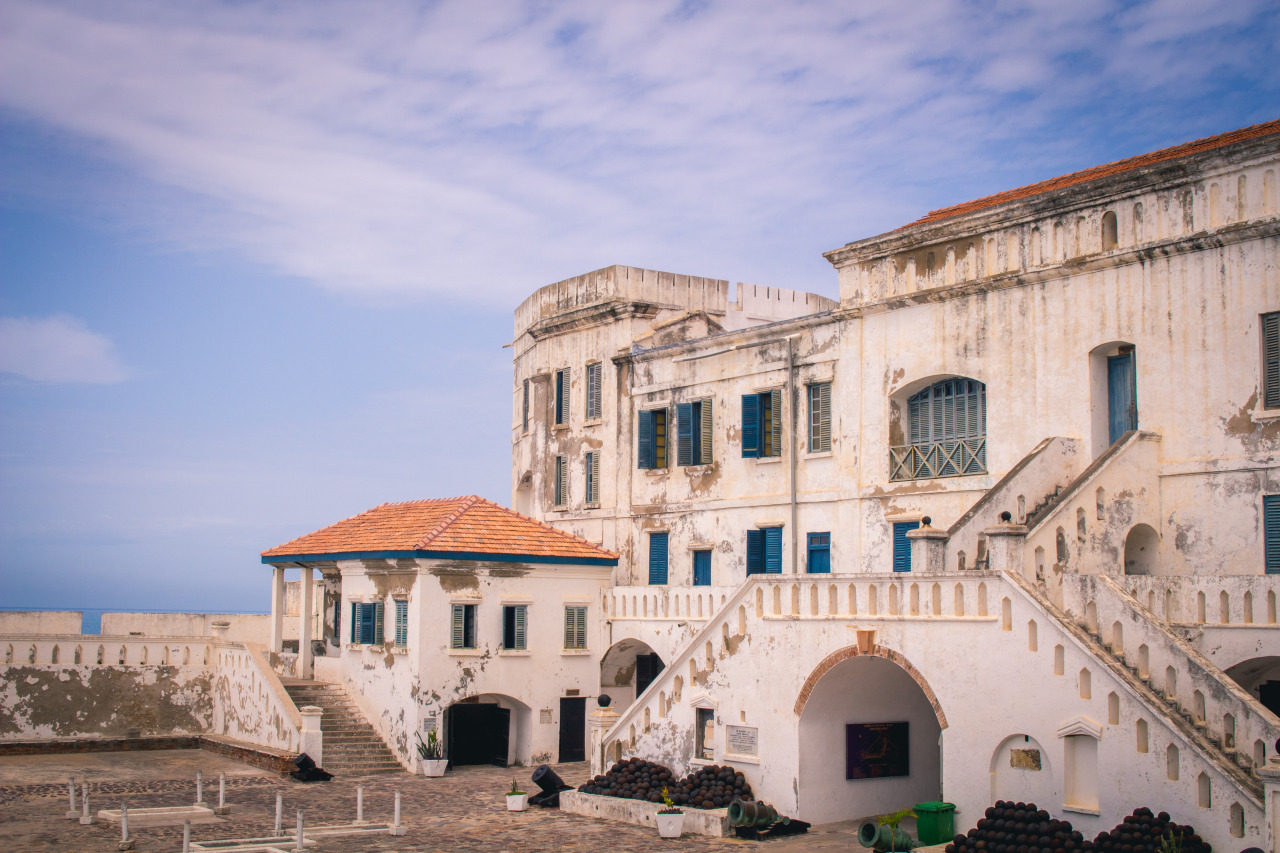
The first of two castles we visited at Cape Coast and I would say the first proper museum we visited in Ghana not because it was large and had loads of tourists in it (we were unfortunate to have a large group of schoolgirls in front of us), but because of the information that was provided. There were books and pamphlets in the ticket hall, a gift shop, and the self-guided tour section had loads of pictures and text to go along with it. There was a section that replicated the inside of a slave ship and another that replicated the ring where slaves would be sold. It was impressive and added to the effect of the area’s sad history.
The castle itself was very well built and was better preserved than the one in Keta. Originally built by the Swiss for trading slaves it was taken over by the British who did the same thing. We saw the dungeons where the male and female slaves were kept. Our tour guide was very good and simulating what it felt like to be down there by giving us detailed descriptions while turning off all electric lights as there wouldn’t have been any in those times. The floors which were originally brick were caked with a layer of hard grey which was years of human [faeces] and dirt which was a surprise to me, as well as the bad sanitation that was in the dungeons.
We saw a prison that was used for both slaves and misbehaving officers which was built in an interesting way. The first section had a door with holes where the white soldiers were kept for a day. The second section behind the first had a much thicker door which no holes and it lead to a place which no ventilation whatsoever. This is where the misbehaving slaves were kept and were left there until they died. We walked along the edge of the castle closest to the sea which had loads of cannons, these were used to fend off invading pirates and attacking countries. Each castle had a fort nearby built on a hill so a lookout could spot the enemy from afar. Unfortunately, we didn’t have time to visit any forts in Cape Coast but we might do that on a future trip.
We then walked up to the place where the governors would stay which was a drastic difference to the dungeons. They had large rooms with plenty of windows, there were kitchens and bathrooms. Many of those rooms had been modified and were being used as offices. I know Osu castle (which we didn’t visit) has been completely taken over by those in government and used as offices.
Cape Coast castle was such a great tourist attraction and I recommend it for anyone visiting Ghana.
Elmina castle
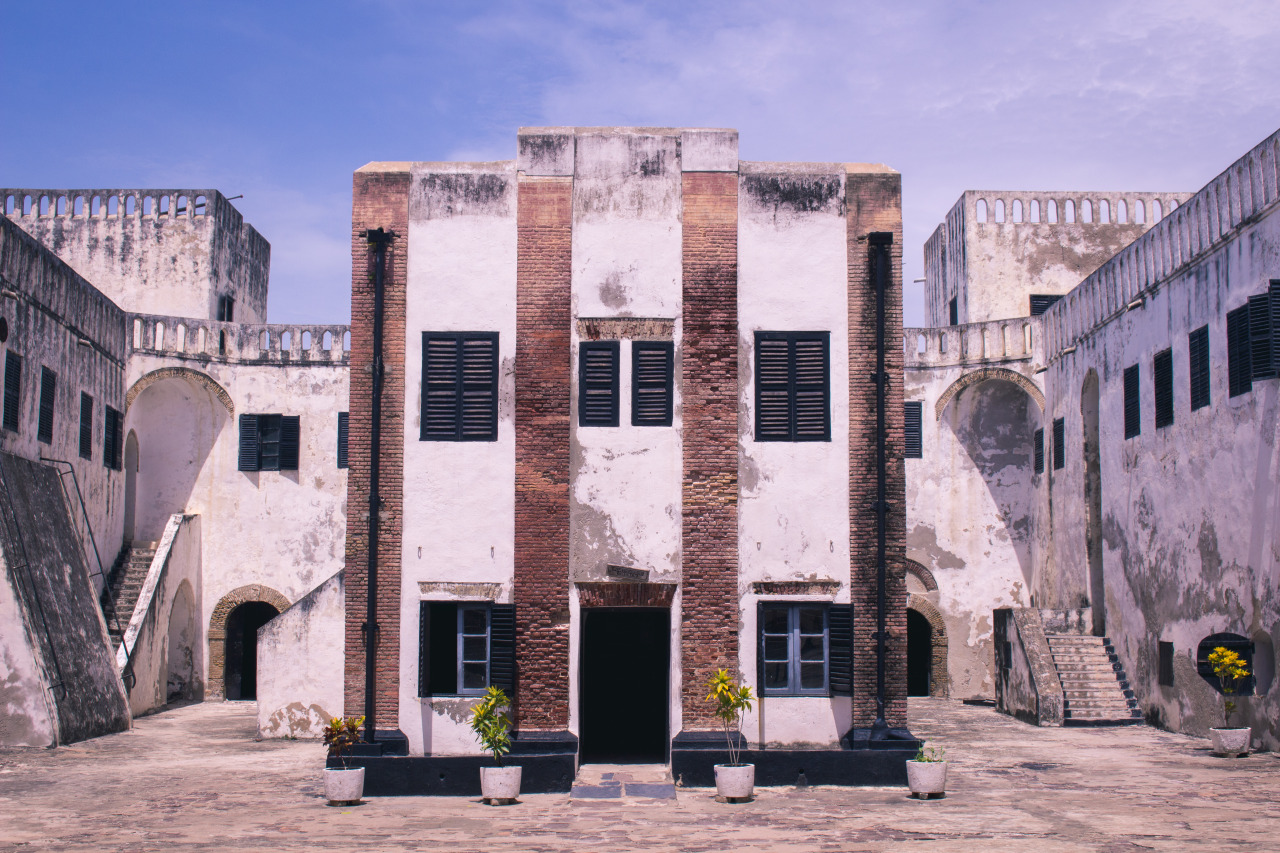
This castle is a similar size to Cape Coast castle but was originally built for a different purpose. This was the first castle built in Africa around 1400 by the Portuguese to share the gospel and for fair trade. They traded gold for things like mirrors, guns, gunpowder and so on. However, when Columbus discovered the Caribbean islands and the riches it contained, they realised they needed people to work on them, for various reasons they decided to take the people from Ghana to those islands and the castle changed from a place of goods trade to a place of the slave trade.
I don’t want to go too much into the history of what happened but I will say once again our tour guide did a very good job of explaining it to us and showing us around. We started in a church at the centre of the castle, then moved to the storage places which later became the dungeons for slaves. There were loads of similarities between this place and Cape Coast castle. The conditions in which the slaves were kept in was worse than animals. Misbehaving officers were kept in a prison with air and light for a day whereas misbehaving/revolting slaves were kept in a much worse prison and left to die. We saw a ball and chain in the courtyard of the women which was used to torture the slaves who refused to sleep with the generals that requested them. It was all very moving, especially seeing the gate of no return, the place where the slaves would leave to go on boats.
This castle, unlike Cape Coast, showed clear signs of a takeover. The Portuguese lost it to the Dutch who had reinforced it after destroying parts of it and built their own protestant church as opposed the Catholic Portuguese one and built their own kitchen.
I think it’s amazing how much of the castle was preserved in the condition that it was. This castle, in particular, was around 600 year old and rooms were still being used as offices and gift shops.
Kakum National Park
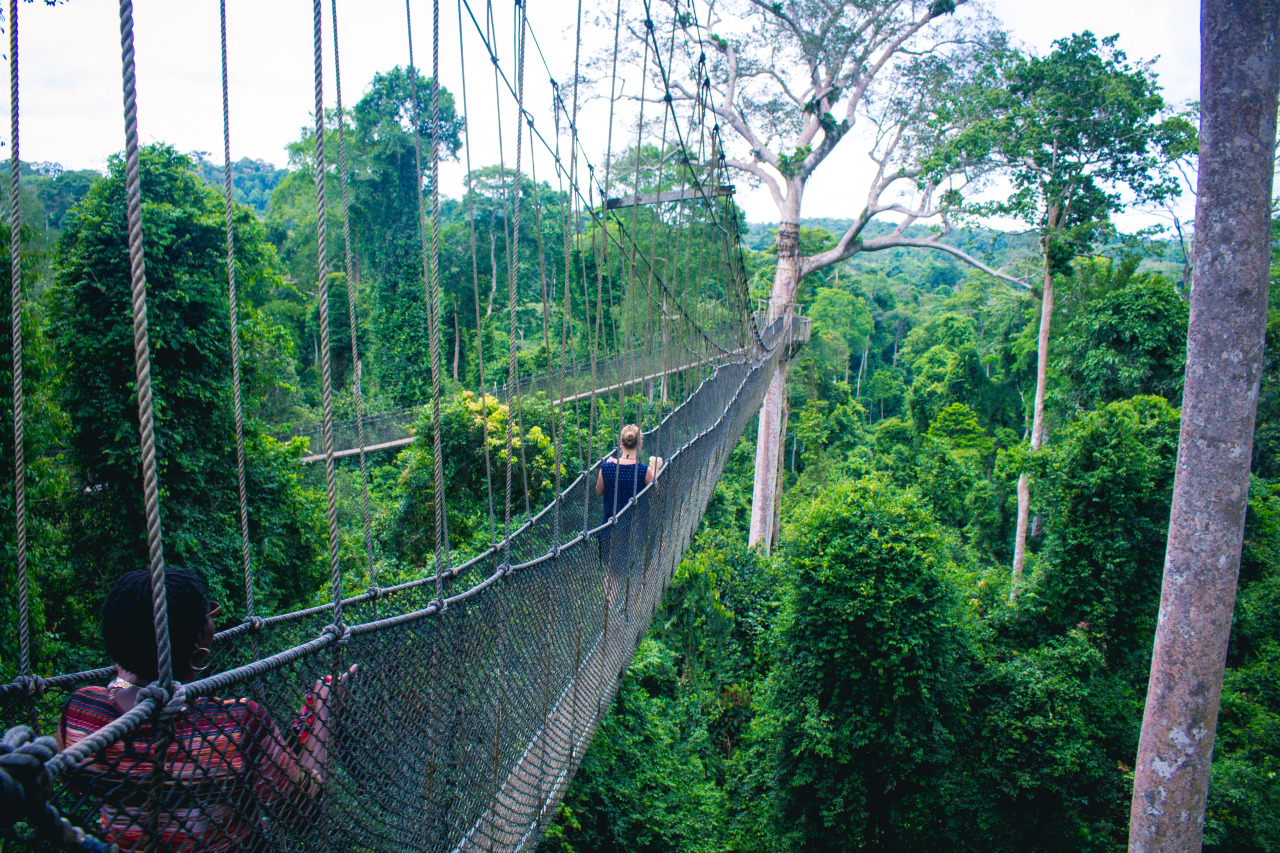
Our final tourist attraction in Cape Coast was the Kakum National Park. I had heard a lot about this place before visiting Ghana, the famous canopy walkway that was so high up people were so afraid to set foot on it. I spoke to someone at work who closed her eyes all the way across. So upon entering the park I was pretty nervous, I didn’t know what to expect.
Upon paying for our tickets we sat in the wooden waiting area and watched a documentary on the cape cost tourism board. A group of American students also came to the waiting area before our tour began. Once again, we were touring with school kids. We let them go ahead of us as we toured through the rainforest. We were told there were 240 elephants in Kakum, all sorts of snakes and birds, but unfortunately, we didn’t see any of them, what we did see however were large ants, driver ants. Our tour guide told us not to step on them as their death would all an army of them to attack. Inevitably someone didn’t listen and killed a few ants, we were told to run quickly across the path as not to get swarmed, so we did, this made the tour feel a bit rushed.
We got to the canopy which was really high up above the ground but it was incredibly well reinforced. The wooden walkway was on top of a metal ladder type structure placed horizontally. The walkway was walled with a thick rope mesh and there were ropes all around it to keep it from falling, this put my nerves at ease, this and the knowledge that since the park had been built no one has ever fallen through the walkway.
We walked through first and the Americans walked behind us. There were about 20 students overall which made the bride feel very wobbly but safe enough for us to take videos and pictures of it. We were on and off all 4 bridges in less than 15 minutes and I wanted to do the whole thing again.
Conclusion
Although I wasn’t a huge fan of the humid heat, the long long car journeys, and the mosquito bites I enjoyed my time in Ghana overall.
I really missed having Hausa Koko, Tom brown or Cerelac for breakfast with hard dough bread. The taste of fried plantain and beans, goat meat kebabs, grilled chicken with Jollof, Malta Guinness, and of course, Milo with evaporated milk. Fresh coconut juice, watermelons, sugar cane, pawpaws, and mangos were also great additions to my diet.
I enjoyed having conversations with family members I hadn’t seen in a while and brushing up on my [Fante]. It was weird at first seeing billboard, adverts and TV shows with just black people on them, especially for brands that are in the UK as well like Vodafone and Barclays, but I got used to it after a while and it was actually sort of refreshing. It was also quite shocking to see loads people on the roads selling food, open shipping containers on dirt pavements with shops, and driving on bumpy dirt roads. A lot Ghana to my surprise looked very third world, even in Accra, the capital. I was shocked to see that at first, but like most things there I got used to it.
For those who have been swung by this article and really want to visit Ghana, I have a few tips for you. Make sure you keep the fan on when you sleep, it makes it harder for the mosquitos to bite you. Don’t drink water from the taps or eat any vegetables. The water is safe to drink and eating vegetables that have been washed in said water isn’t good either. Take a face towel with you or buy one when you’re there, you’ll sweat so much that it will be uncomfortable so the towel will be your best friend. Take money out of an ATM instead of a forex bureau, the exchange rates are usually better. And finally, be a generous tipper.